
IN SHORT
Is the Houston Heights a good place to live?
For buyers who want historic streets, trails and a strong dining scene close to downtown, yes. Know which market you are shopping, because historic homes, new builds and townhomes price differently. Historic district status changes what you can build, so confirm permits, district approvals, school zoning and flood history for the exact address.
- Historic district status changes what you can build, how homes price and how long projects take
- Townhomes, new builds and historic homes are separate markets; compare like with like
- Confirm permits, district approvals and school zoning for the exact address
- Most of the Heights sits on higher ground, but low streets near the bayous need a closer look
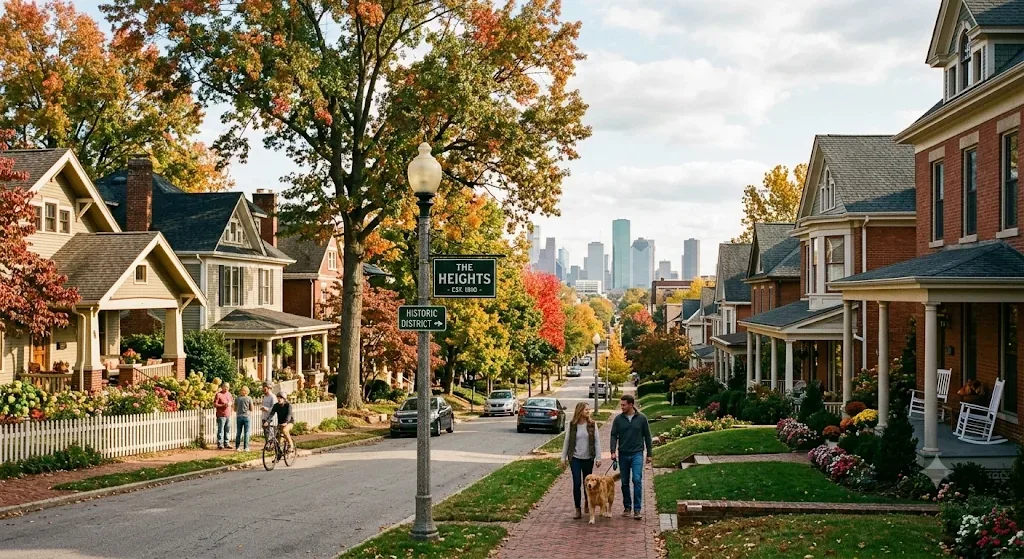
The Heights is one of the few Houston neighborhoods people describe by feeling rather than by boundary. Porches, sidewalks, big trees, a trail down the middle of the Boulevard and restaurants you can walk to. It is also one of the most nuanced markets in the city, with historic district rules, a wide range of housing types and prices that change block by block. Here is how I explain it to buyers who are new to the area.
A short history
In 1891, Oscar Martin Carter and the Omaha and South Texas Land Company began developing Houston Heights on land that sits higher than downtown, which gave the neighborhood its name. It was planned as a complete town, with a wide esplanade on Heights Boulevard, parks, schools, businesses and streetcar service into Houston. The Heights incorporated as its own city and remained independent until Houston annexed it in 1918.
Through the middle of the twentieth century, many older homes were divided into apartments or fell into disrepair. Beginning in the 1970s, buyers rediscovered the architecture and the location, and a long revival began. It has never really stopped, which is why you will see a meticulously restored Victorian, a 1920s bungalow with a modern addition and a brand-new build within a few doors of each other.
The housing mix
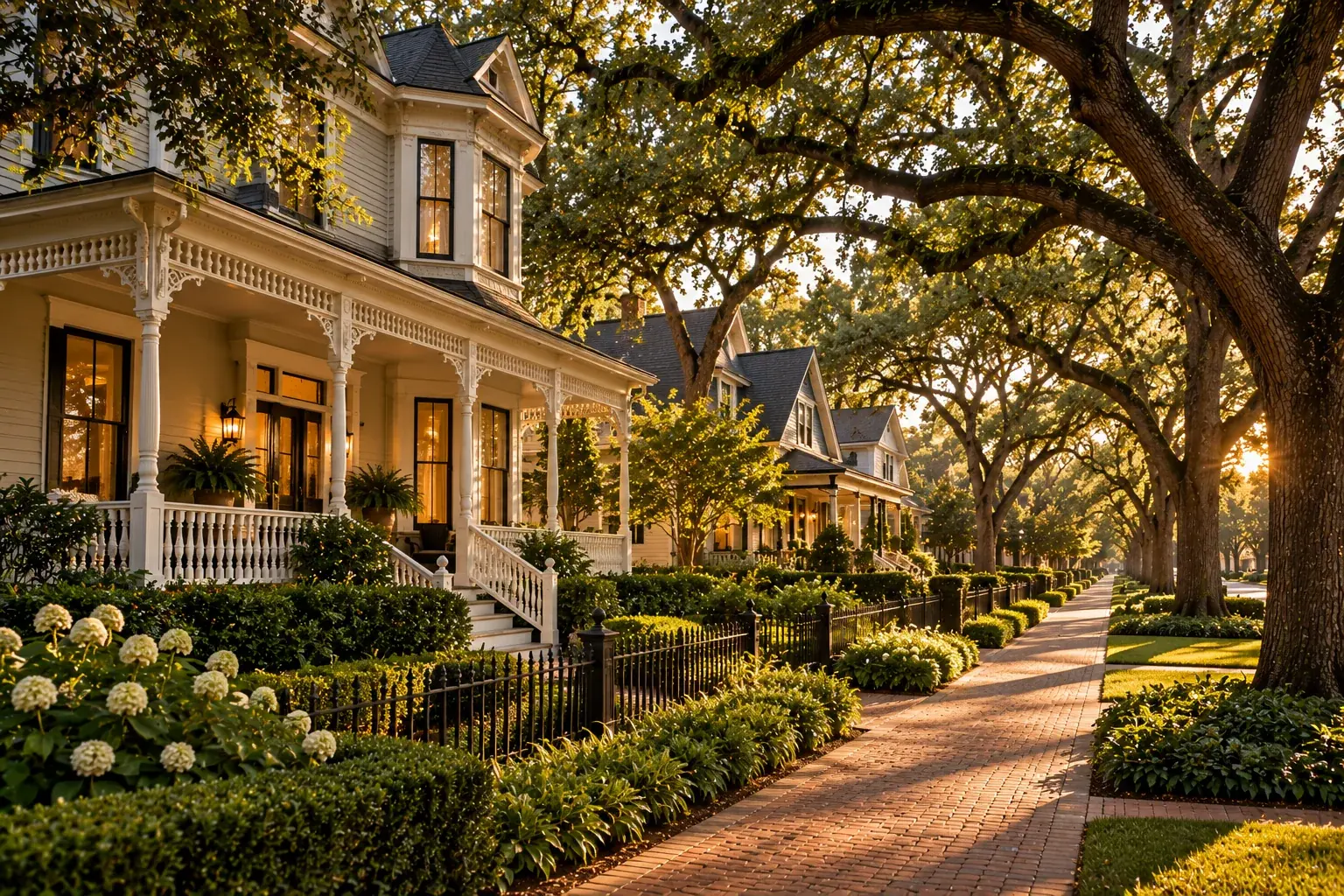
- Queen Anne and folk Victorian homes from the 1890s and 1900s, often with wraparound porches and tall ceilings
- Craftsman bungalows, the signature Heights house, many expanded with rear or second-story additions
- New single-family construction, both inside the historic districts under design review and outside them
- Townhomes, mostly outside the historic districts, on lots that were subdivided
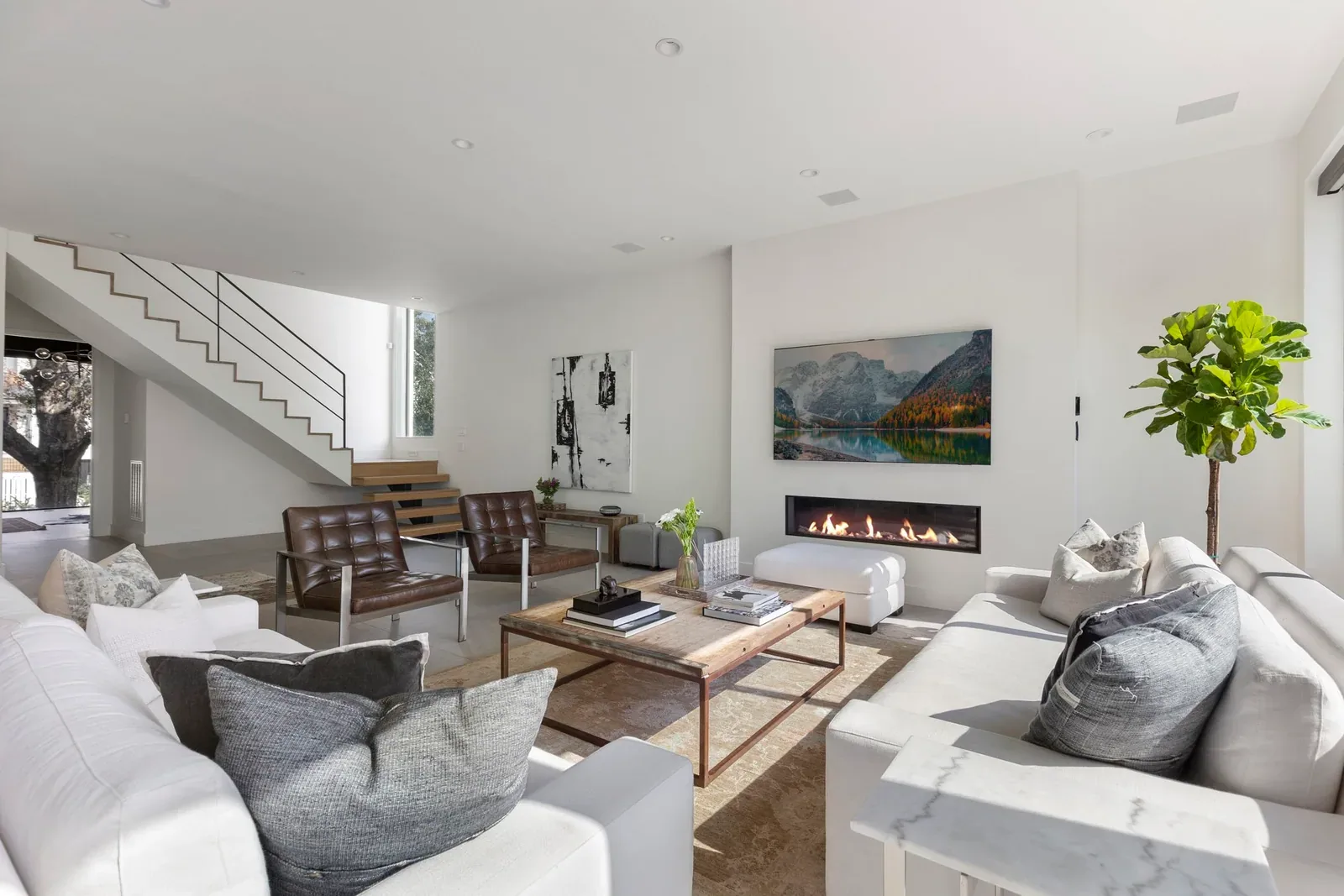
- Architect-designed contemporary homes, particularly toward the western edge in areas like Clark Pines
Historic districts
The city has designated several historic districts in the Heights, including Houston Heights East, West and South, along with smaller districts nearby. Inside them, exterior changes visible from the street, additions, demolitions and new construction require a Certificate of Appropriateness from the Houston Archaeological and Historical Commission, and Heights-specific design guidelines govern height, setbacks, lot coverage and materials. For owners, that means stability: the bungalow next door is unlikely to become a three-story townhome. It also means a slower, more deliberate path if you want to expand.
Outside the districts, the rules are lighter, and you will see more new construction and townhomes. Neither is better. They are different products, and they price differently.
What homes cost
Price per square foot is highest for well-preserved and well-renovated homes inside the historic districts, where supply is fixed. New construction outside the districts trades against other new construction. Townhomes are their own market, competing with each other, with Midtown and with close-in suburbs.
A few of my own sales show the range. 1418 Ashland Street, an expanded bungalow inside a historic district, sold near $2 million on the strength of an authentic front elevation and generous living space behind it. 1131 East 7 1/2 Street, a five-bedroom new build, sold in a similar range by competing on space and finish. 1900 West 14th Street, an architect-designed modern home in Clark Pines, sold above $2.7 million to a design-minded buyer. And 1019 East 14th Street, a three-bedroom home near $800,000, shows how much more accessible parts of the eastern Heights can be.
Daily life
The Heights Hike and Bike Trail runs along a former rail line through the neighborhood and connects to the White Oak Bayou Greenway, so riding to downtown or out toward Oak Forest is easy. The Heights Boulevard esplanade is a running path in its own right. Donovan Park, with its playground, and Marmion Park, with its gazebo, anchor the Boulevard. On 19th Street, independent shops, vintage stores and the Heights Theater give the neighborhood a main street, and Heights Mercantile on Yale adds another cluster of shops and restaurants.
The Heights has become one of the city's best dining neighborhoods. Coltivare on White Oak Drive grows much of its own produce in a garden behind the restaurant. Squable, Eight Row Flint and Better Luck Tomorrow are neighborhood regulars. Boomtown Coffee on 19th Street and Fat Cat Creamery on North Shepherd handle mornings and dessert, and Lola on Yale is a reliable diner breakfast. White Oak Music Hall, just east of the neighborhood, brings touring bands within biking distance.
The dry zone
Part of the Heights has restricted alcohol sales since the early 1900s. A 2016 local election loosened the rules for beer and wine sales in that area, and many restaurants serve mixed drinks through a private club arrangement, which usually just means a quick sign-up at the host stand. It affects businesses far more than residents, but newcomers ask about it constantly.
Schools
The Heights is served by HISD, with well-regarded elementary schools including Harvard, Field, Travis, Love and Helms, depending on the address. Hogg Middle School and Hamilton Middle School serve most of the neighborhood, and Heights High School, formerly Reagan High, is the comprehensive high school. HISD has gone through significant changes since the state appointed a board of managers in 2023, including new instructional models at many campuses. Confirm zoning and current programs for any specific address, and visit the schools in person.
Flooding and elevation
The Heights sits on higher ground than much of central Houston, which is part of its long-term appeal. That said, lower-lying areas near White Oak Bayou and Little White Oak Bayou, and streets with poor drainage, can take water in severe storms. Check the flood zone, ask about history and look at slab or pier height relative to the street before you commit.
What buyers get wrong
- Assuming every old house is in a historic district, or that none are. Check the city map for the exact address.
- Skipping permit history. Many Heights homes have additions; confirm they were permitted and, inside a district, approved.
- Comparing townhomes to single-family homes on price per square foot. They are different products with different buyers.
- Ignoring the lot. Drainage, alley access, orientation and trees all affect value and daily life.
- Waiting too long on the right house. Even in a balanced market, the best Heights homes still draw quick interest.
In the Heights, the first question is never the kitchen. It is which side of a district line the house sits on, and whether the paperwork matches the house.
Compass's Heights office sits at 600 North Shepherd, and I spend a lot of my working week in and around the neighborhood. If you are considering the Heights, I am happy to tour a few streets with you, walk through the district rules and help you see which pocket fits the way you live.