
IN SHORT
Why does the lot matter so much in Garden Oaks?
In Garden Oaks the land often carries most of a property's value, especially for unrenovated originals. Frontage, depth, shape, trees, drainage and deed restrictions can make similar lots worth very different amounts. Sellers of originals should market to end users and builders at once, and buyers should decide early whether to keep, expand or rebuild.
- In Garden Oaks, land often carries most of the value, especially for unrenovated originals
- Frontage, shape, trees, drainage and deed restrictions can make similar-sized lots worth very different amounts
- Sellers of originals should market to end users and builders at the same time
- Buyers should decide early whether they will keep, expand or rebuild, because it changes what to pay
I live in this part of Houston, and I have sold homes on Curtin Street, Richelieu Lane and West 31st Street, among others. The single most important idea I share with anyone buying or selling in Garden Oaks is this: the lot is usually the asset, and the house is often the variable. Once you see the neighborhood that way, a lot of confusing pricing starts to make sense.
How Garden Oaks got its lots
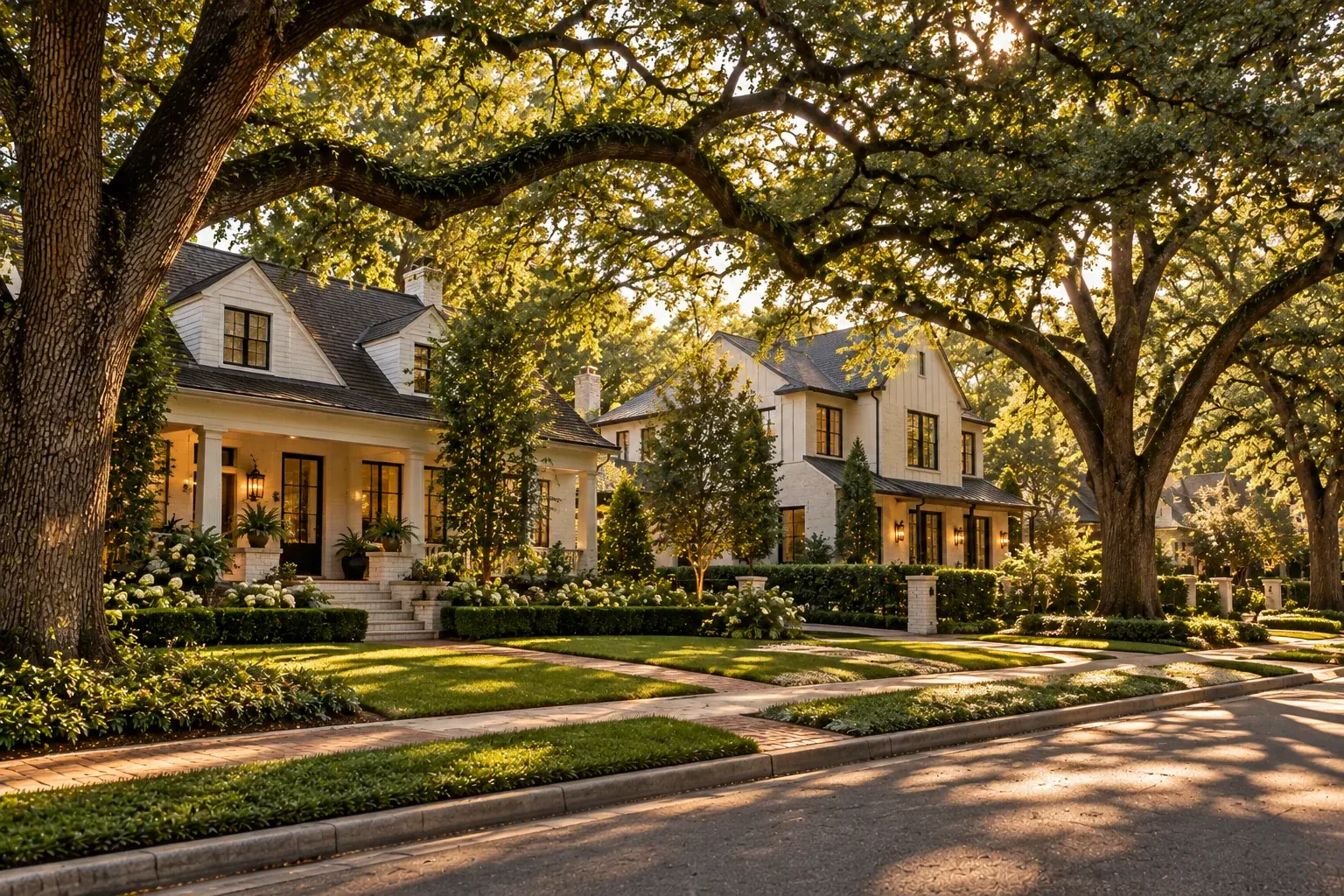
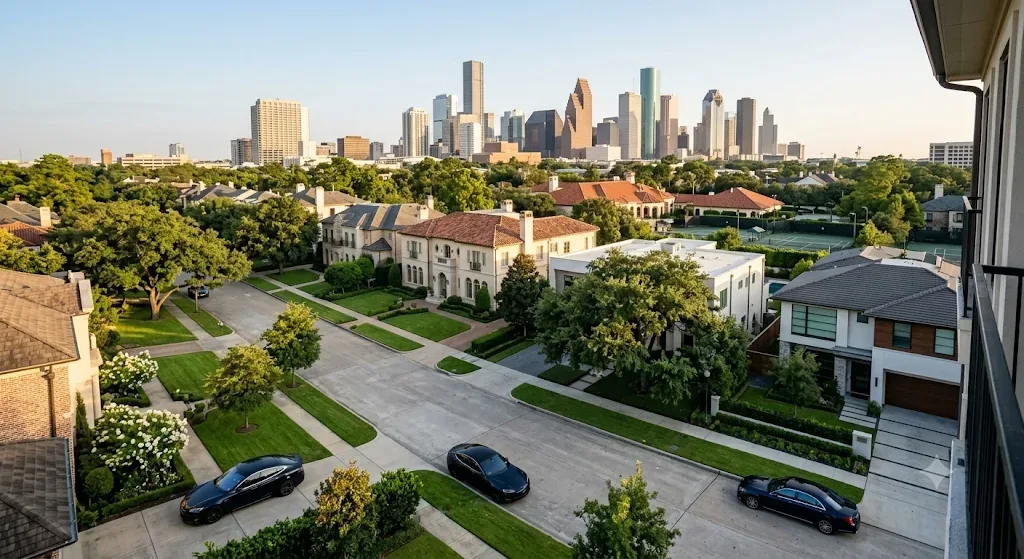
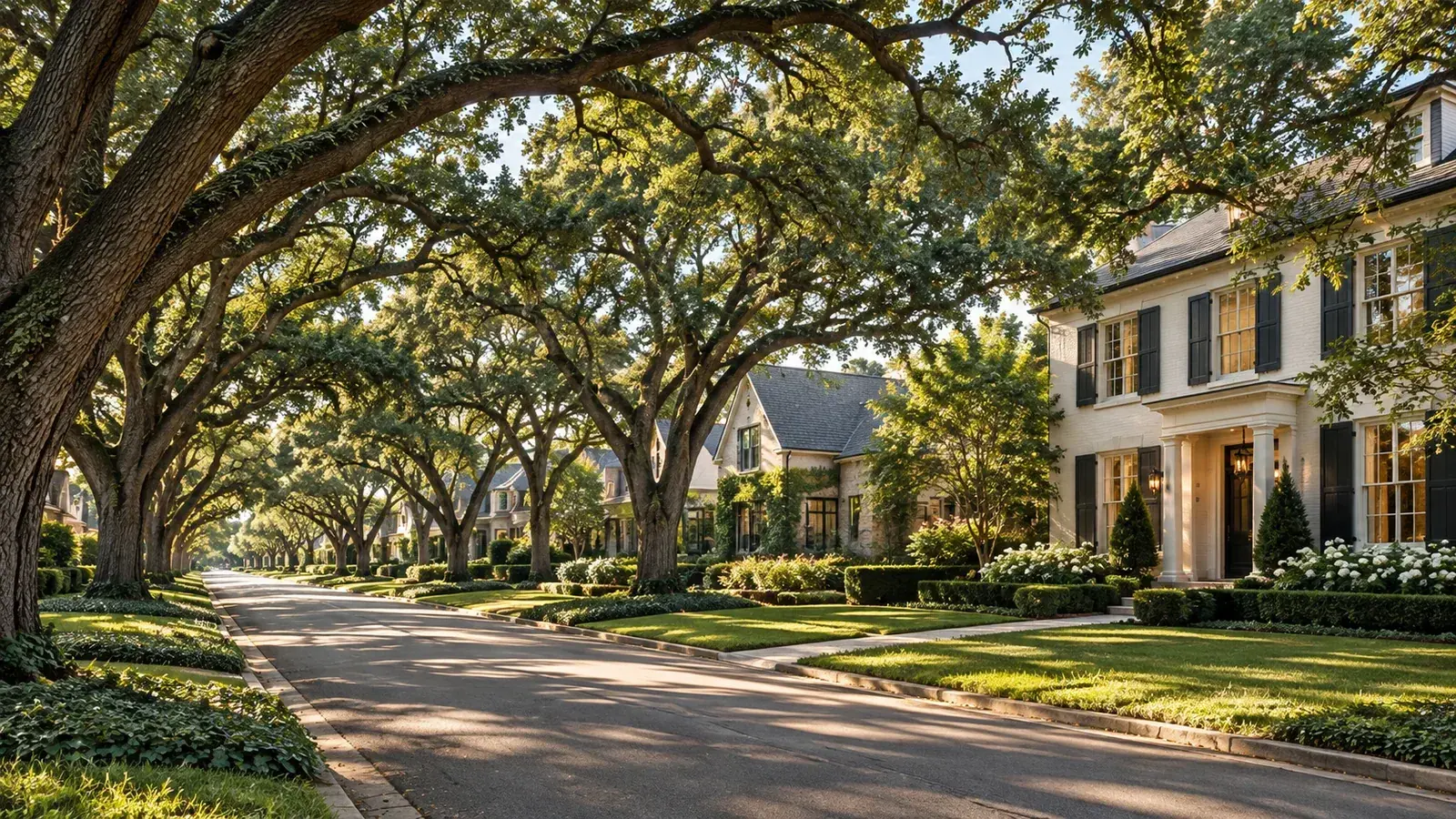
When Edwin E. Chapman began selling Garden Oaks in 1937, the idea was room to grow, literally. Lots were laid out large enough for vegetable gardens, fruit trees and, for some early owners, chickens. Many are roughly 8,000 to 12,000 square feet, a good number exceed 15,000 and some approach half an acre. Deed restrictions favored single-family homes set well back from the street. Nearly ninety years later, those decisions are what make Garden Oaks unusual: a close-in neighborhood, minutes from the Heights, where a quarter-acre lot is not rare.
Why the land drives value
The original homes are modest. Many are one-story cottages or ranches of 1,200 to 1,800 square feet built between the late 1930s and the 1950s. They have charm, but they do not have the space or systems that most of today's buyers expect at Garden Oaks prices. Meanwhile, the supply of large, close-in lots is fixed. That combination means the land often represents most of what a buyer is paying for, especially on an unrenovated original.
You can see this in the way builders think. A builder looks at what a finished new home on that street will sell for, subtracts construction cost, financing, carrying costs and a profit margin, and what remains is what they can pay for the land. When new homes in Garden Oaks sell for well over $1.5 million, the residual land value of a large lot is substantial, and it sets a floor under every original home on a comparable lot.
How to read a Garden Oaks lot
Not all lots are equal, and two lots with the same square footage can be worth very different amounts. When I evaluate one, I look at:
- Frontage and depth. Wider frontage gives a builder more design flexibility and usually more value than extra depth alone.
- Shape. Regular rectangles build more efficiently than irregular or pie-shaped lots.
- Trees. Mature oaks are part of the neighborhood's value, but their placement can make or break a building footprint. Trees in the public right-of-way are protected by city rules.
- Drainage and elevation. How water moves across the lot and the street, and whether the lot sits in a mapped floodplain, affects construction cost and long-term risk.
- Deed restrictions. Garden Oaks restrictions vary by section, covering setbacks, use and structures. Read the ones that apply to the exact lot.
- Minimum lot size and building line protections. Many blocks have them, which prevents a lot from being split into smaller lots or townhomes.
- Neighboring homes. A lot surrounded by new construction tends to support a higher finished price than one surrounded by originals, though that gap narrows over time.
What this means for buyers
If you are buying in Garden Oaks, do not judge the property by the house alone. A dated original on an excellent lot may be a better long-term purchase than a renovated home on a narrow or poorly drained lot. Decide early whether you plan to live in the house as it is, renovate and expand, or build new, because each path changes what you should pay.
- Get the survey early and study it, including easements, setbacks and building lines.
- Read the deed restrictions for the section, not a general summary.
- If you plan to build, have a builder or architect review the lot during your option period.
- Check flood zone, drainage and any history of water, and get an insurance quote.
- Budget for tree protection, site drainage and city permitting if you plan new construction. Houston requires drainage and detention measures for new development, and they add cost.
What this means for sellers
Sellers of original homes face a choice of buyer pools: end users who want to live in or renovate the house, and builders who want the land. The best outcome usually comes from marketing to both at once. That means presenting the home attractively for the family that wants a charming cottage, while also giving builders what they need to underwrite the lot quickly: the survey, lot dimensions, tree locations and the applicable restrictions.
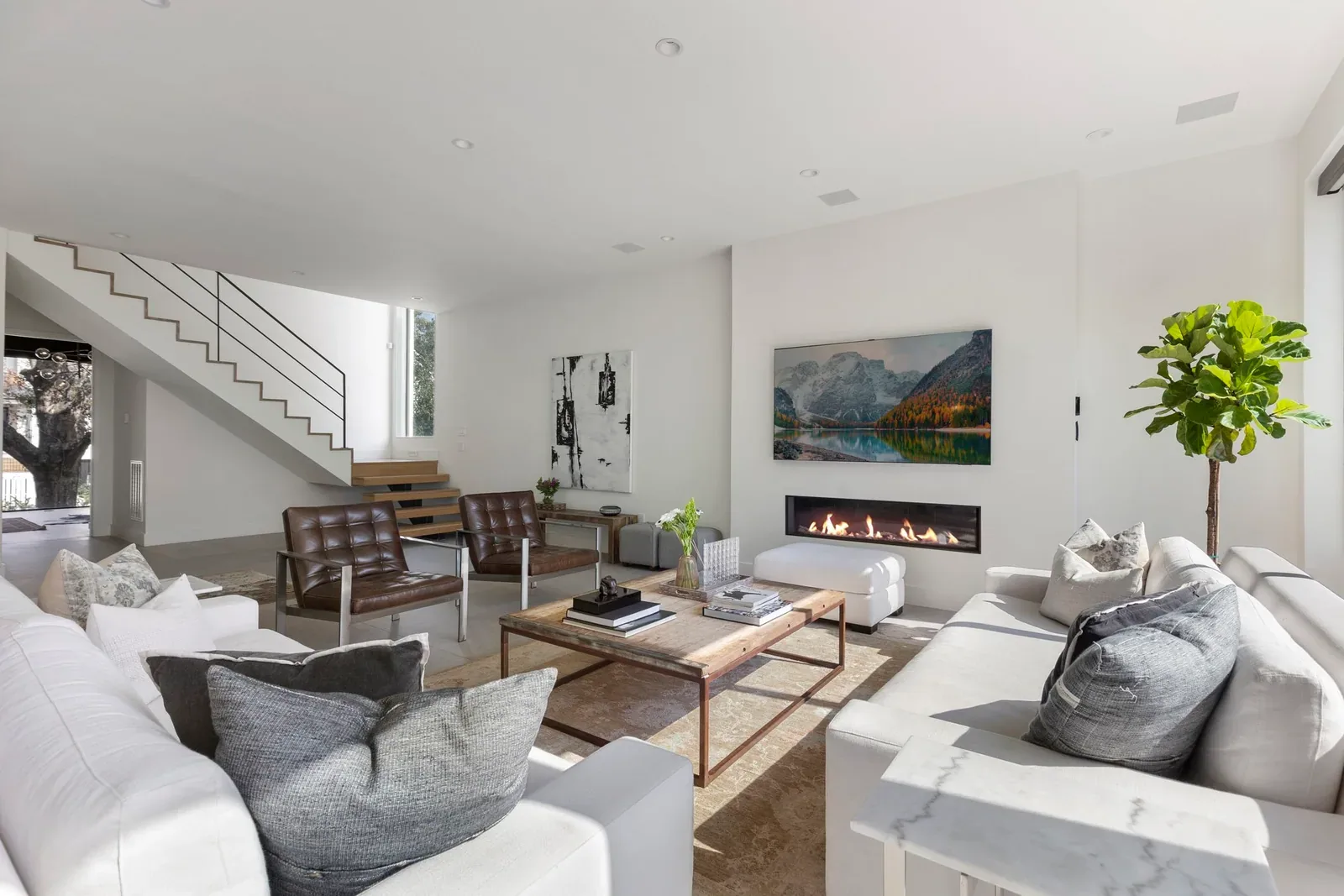
The most common mistake I see is a seller pricing a dated original as if it competes with new construction. It does not. It competes with land, and with other originals on similar lots. On the other side, sellers of renovated originals sometimes undersell the lot in their marketing. When I sold 1030 Curtin Street, a fully renovated home under a canopy of mature oaks, the marketing led with the lot and the light as much as the kitchen. The pricing left room for competition, and the seller chose among multiple offers.
Is the teardown trend good for the neighborhood?
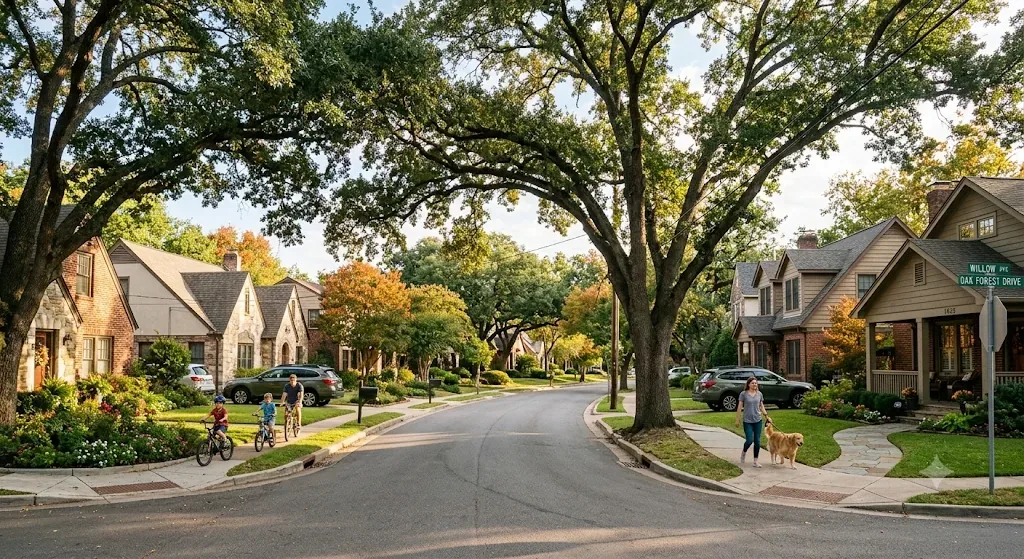
Reasonable neighbors disagree. New construction has raised land values and brought young families who might otherwise have moved to the suburbs. It has also replaced homes that gave Garden Oaks its original character, and large new homes change how a street feels. Deed restrictions, minimum lot size protections and the civic club's attention have helped keep the neighborhood single-family and green. Personally, I like the mix. A street with an original cottage, a renovated ranch and a thoughtful new build tells the neighborhood's whole story.
In Garden Oaks, the negotiation starts with the survey. Know the land, and the rest of the conversation gets easier.